

With the rapid development of AI large models and intelligent computing centers, high-density computing power brings enormous heat dissipation challenges. Cold-plate liquid cooling and immersion liquid cooling have become mainstream cooling solutions for data centers. Liquid cooling pipelines act as circulating blood vessels of server clusters, continuously circulating cooling media such as deionized water and fluorinated liquids. Weld quality directly determines whether the entire liquid cooling system leaks and can operate stably for a long time.
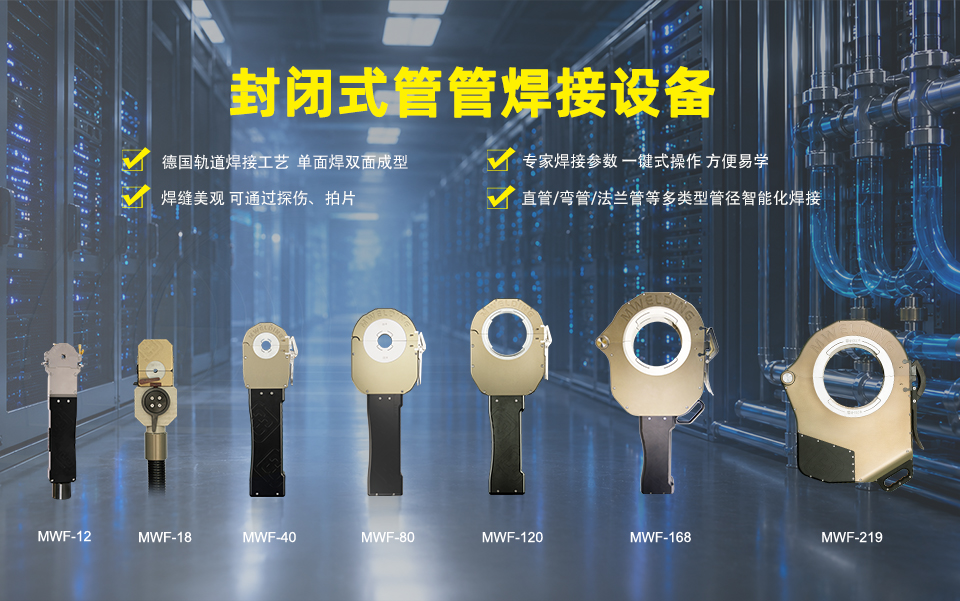
Numerous projects currently adopt 304/316L thin-wall stainless steel pipelines (wall thickness ≤3mm). The traditional manual TIG welding method can hardly meet the strict requirements of the liquid cooling industry for high cleanliness, zero leakage, traceability and mass production. Mwelding MWF series closed orbital tube-to-tube welders provide an integrated precision welding solution tailored for prefabrication and on-site installation of liquid cooling pipelines in data centers, solving multiple industrial pain points in thin-wall clean pipeline welding.
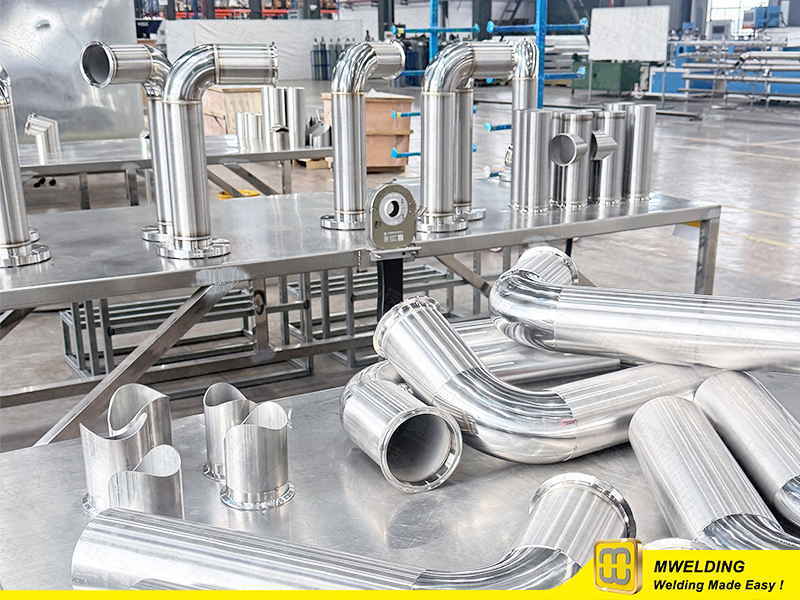
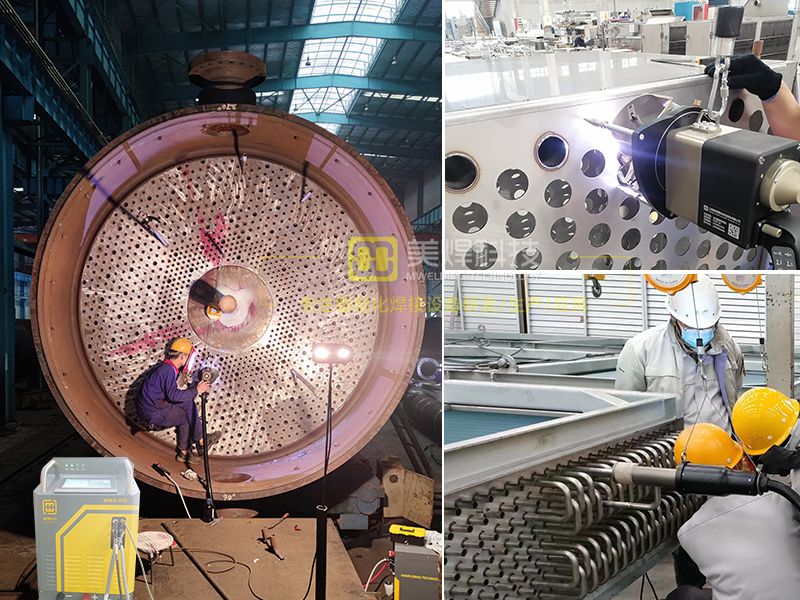
Mass prefabrication of liquid cooling pipelines in factory
I. Four core welding pain points of liquid cooling pipelines in data centers
Liquid cooling pipelines operate under special working conditions with stringent industry acceptance standards. Traditional welding methods reveal obvious drawbacks:
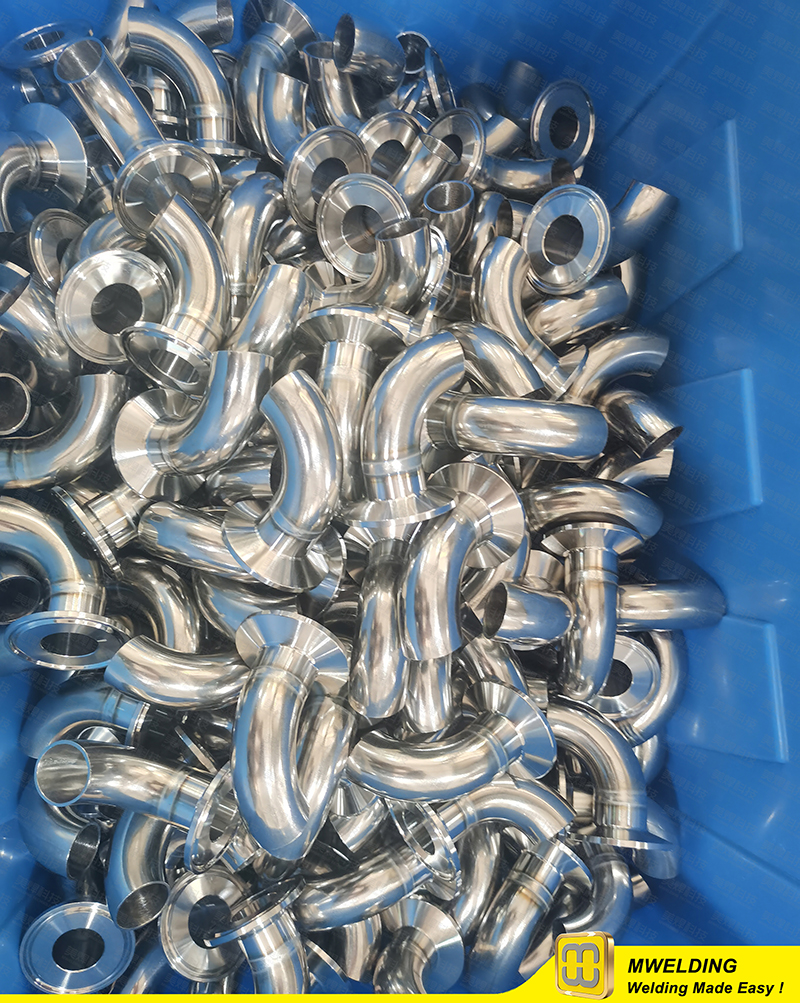
1. Oxidation and blackening on inner weld surface, risks of corrosion and blockage
Open manual welding lacks sealed gas protection, failing to isolate air inside pipes effectively. An oxide layer forms on the inner weld surface under high temperature. Flaking oxide layers washed by cooling fluid easily block microchannel cold plates, reducing heat dissipation efficiency and inducing electrochemical corrosion, shortening the service life of the whole system. Additional pickling and passivation processes increase production costs. The industry standard requires weld inner surface roughness Ra≤0.8μm without oxidation defects.
2. Thin-walled pipes prone to burn-through and deformation leading to high scrap rate
Small liquid cooling pipes generally feature wall thickness from 0.8 to 3mm. Manual welding cannot stabilize heat input, easily causing collapse, burn-through, misalignment and incomplete penetration, resulting in high rework loss during mass prefabrication.
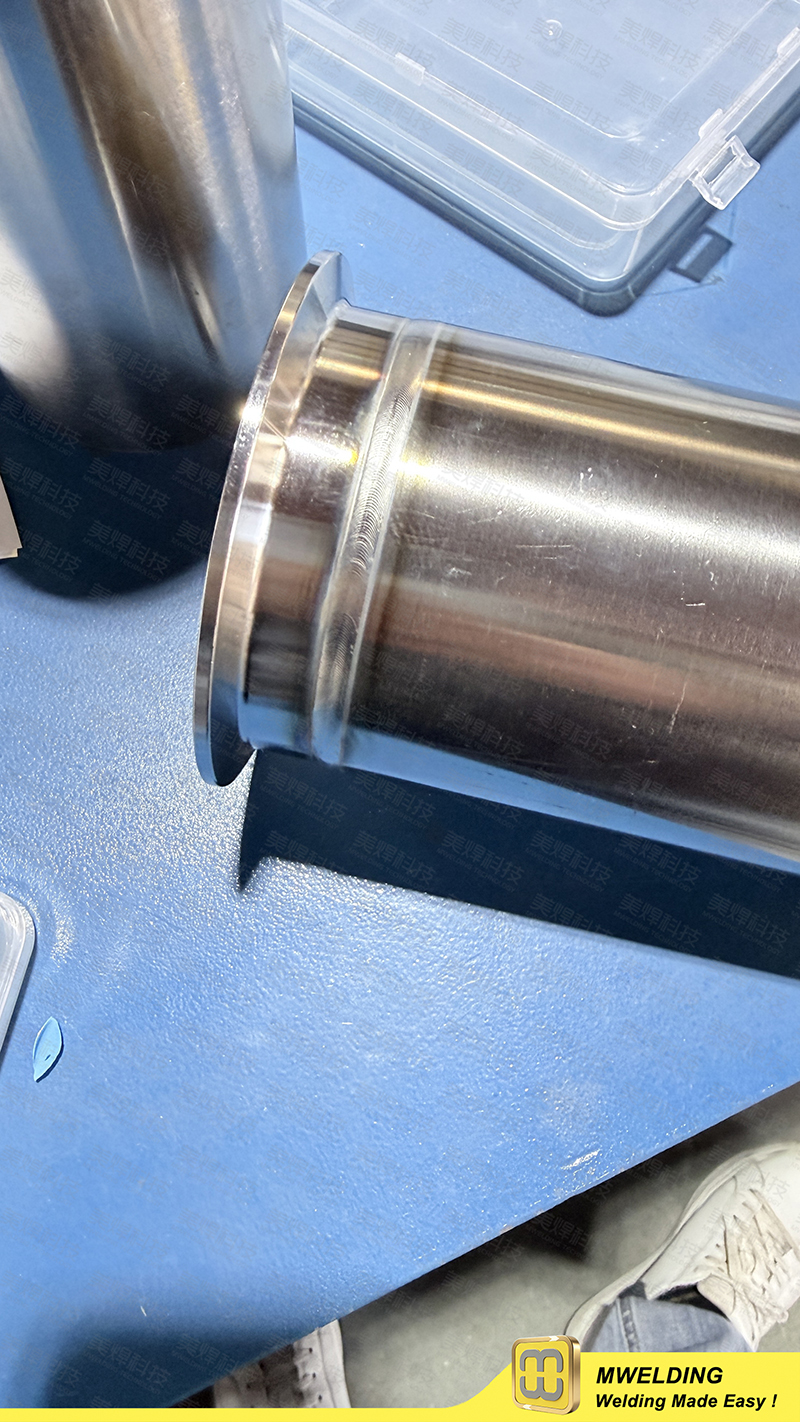
3. Welding quality heavily relies on senior welders with inconsistent quality
Supercomputing centers and large data centers may have hundreds of thousands of liquid cooling weld joints. Quality such as penetration and weld reinforcement varies depending on welders’ experience, bringing unstable qualification rate after inspection. Meanwhile, certified clean welders are in short supply with continuously rising labor costs.
4. Unrecordable process data, difficult traceability for large project acceptance
Supercomputing centers and large data center projects enforce strict traceability specifications for production processes. Manual welding generates no complete process records, making it hard to archive documents for hydrostatic testing, helium leak testing and endoscopic inspection.
II. Mwelding MWF Closed Orbital Tube-to-Tube Welder|Customized Solution for Liquid Cooling Industry
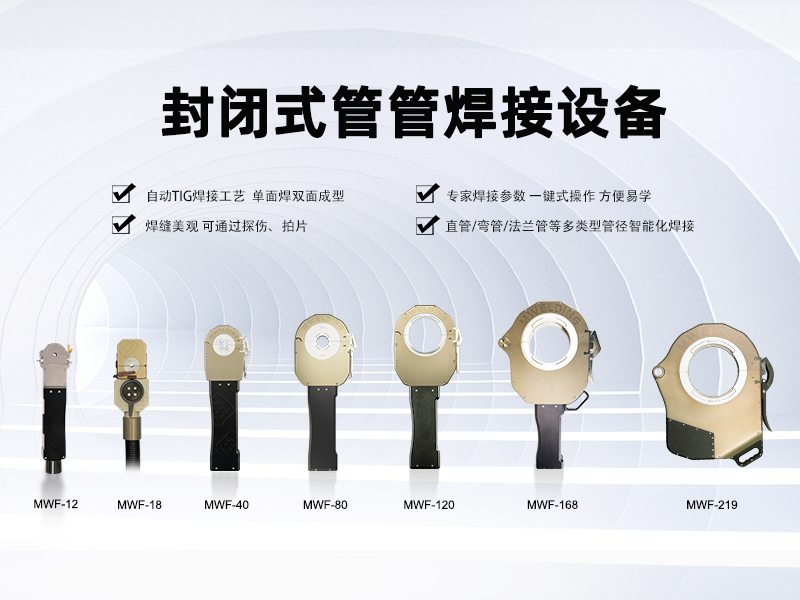
Mwelding has years of experience in automated welding of clean pipelines. The optimized MWF closed orbital tube-to-tube welder adopts sealed orbital TIG autogenous welding technology, covering two application scenarios: workshop pipeline prefabrication and on-site construction in narrow machine room spaces.
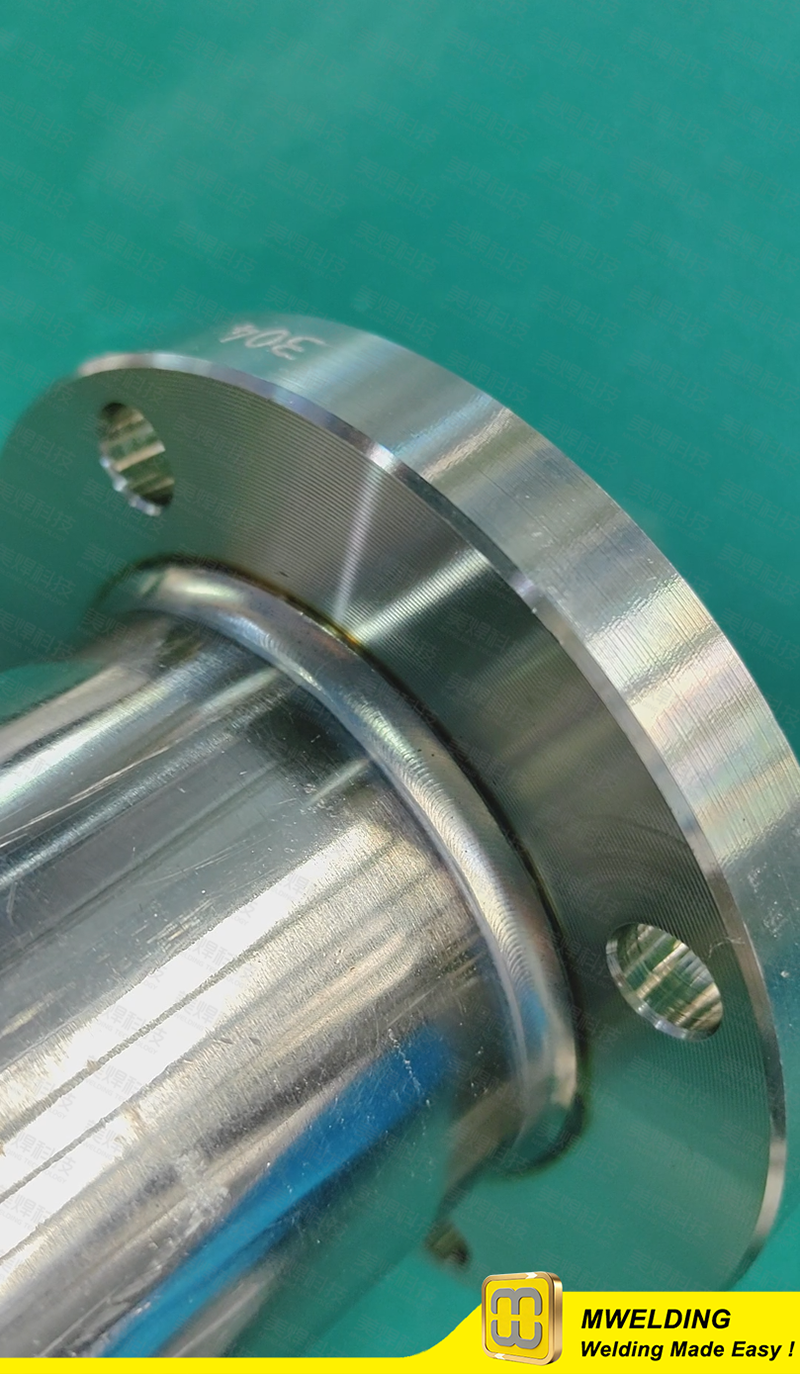
✅ Full-area sealed argon protection for mirror-like clean welds
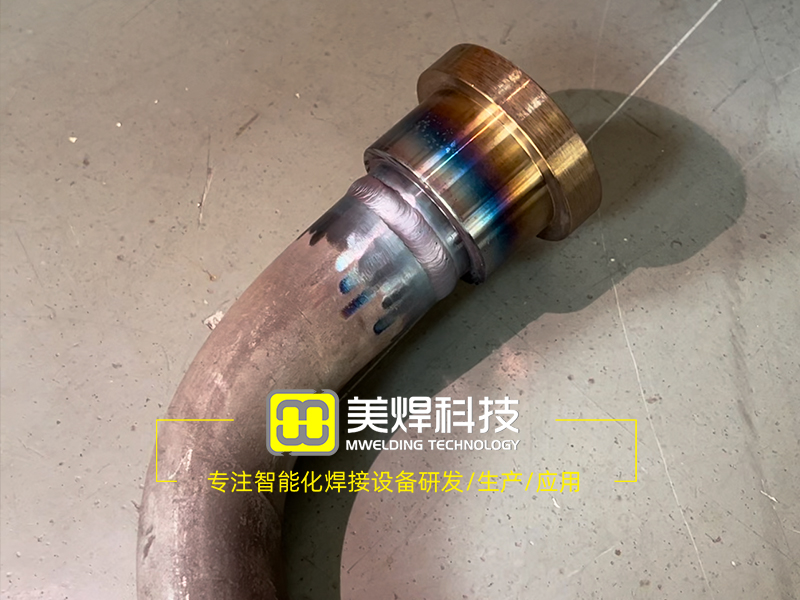
Equipped with closed welding chamber and synchronous internal pipe argon filling system, 4-way argon provides all-round protection to maintain extremely low oxygen content during welding. After welding, both inner and outer weld surfaces show silvery mirror finish without oxidation or blackening. Pickling and passivation are no longer required to meet standards of clean liquid cooling pipelines, eliminating risks of medium blockage and corrosion. Single-sided welding achieves double-sided forming with smooth inner surface free of weld beads and fluid dead zones, easily passing endoscopic inspection.
✅ Digital pulse heat control for stable welding of thin-wall pipelines
The equipment embeds exclusive expert process database for 304/316L stainless steel liquid cooling pipes. Sectional pulse precisely controls heat input and reduces heat-affected zone. Anti-burn-through algorithm optimized for ultra-thin 1.0mm pipes suppresses deformation and collapse, suitable for mass welding of dense small pipelines inside CDU units and water distributors. Applicable pipe diameter ranges Φ3.17mm–219mm, compatible with straight pipes, elbows, tees and other fittings, covering all specifications from cabinet branch pipes to main liquid supply & return pipelines.
✅ Lightweight machine head + all-position welding, adaptable to narrow machine room conditions
Lightweight portable welding head with extended cables enables all-position circumferential welding deep inside narrow cabinet spaces. Titanium alloy self-centering scratch-resistant clamps ensure high alignment precision, reducing welding defects caused by misalignment. Suitable for both factory assembly lines and on-site installation projects.
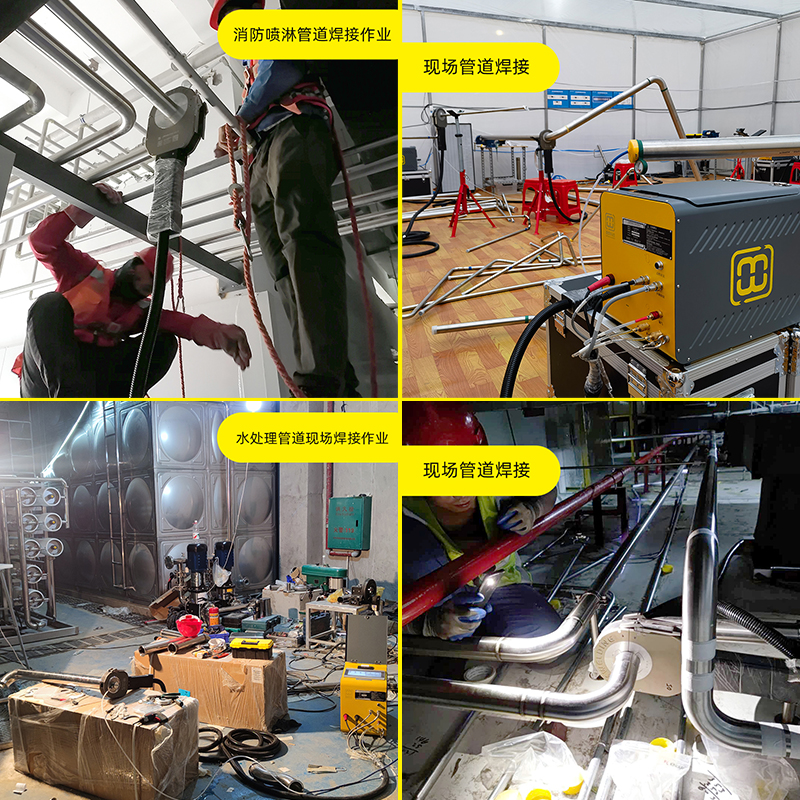
On-site liquid cooling pipeline welding operation
✅ Skill-free operation, boost production capacity and ease labor pressure
Operators only need to input pipe diameter and wall thickness parameters, call preset welding programs and start automatic welding with one click. New operators can be qualified after short standardized training, eliminating reliance on high-wage senior certified clean welders and guaranteeing stable delivery of large-volume pipeline orders.
✅ Automatic full-process data storage, satisfying traceability requirements for project acceptance
All process parameters including welding current, rotation speed, argon flow rate and welding duration are automatically collected and stored locally. Data reports can be exported via USB flash drive. Complete welding records can be archived long-term to meet traceability requirements of engineering supervision, third-party inspection and final acceptance of data center projects.
III. Mwelding – Your Expert in Tube-to-Tube Welding
Mwelding MWF closed orbital tube-to-tube welder provides mature and reliable automatic welding solutions for the liquid cooling industry of data centers with oxidation-free clean welding technology, consistent stable weld quality and digital traceability. Moving forward, Mwelding will keep deep cultivation in liquid cooling sector, continuously optimize welding processes and customized equipment capacity, cooperating with industrial chain partners to build high-efficiency, safe and long-service-life liquid cooling heat dissipation systems.
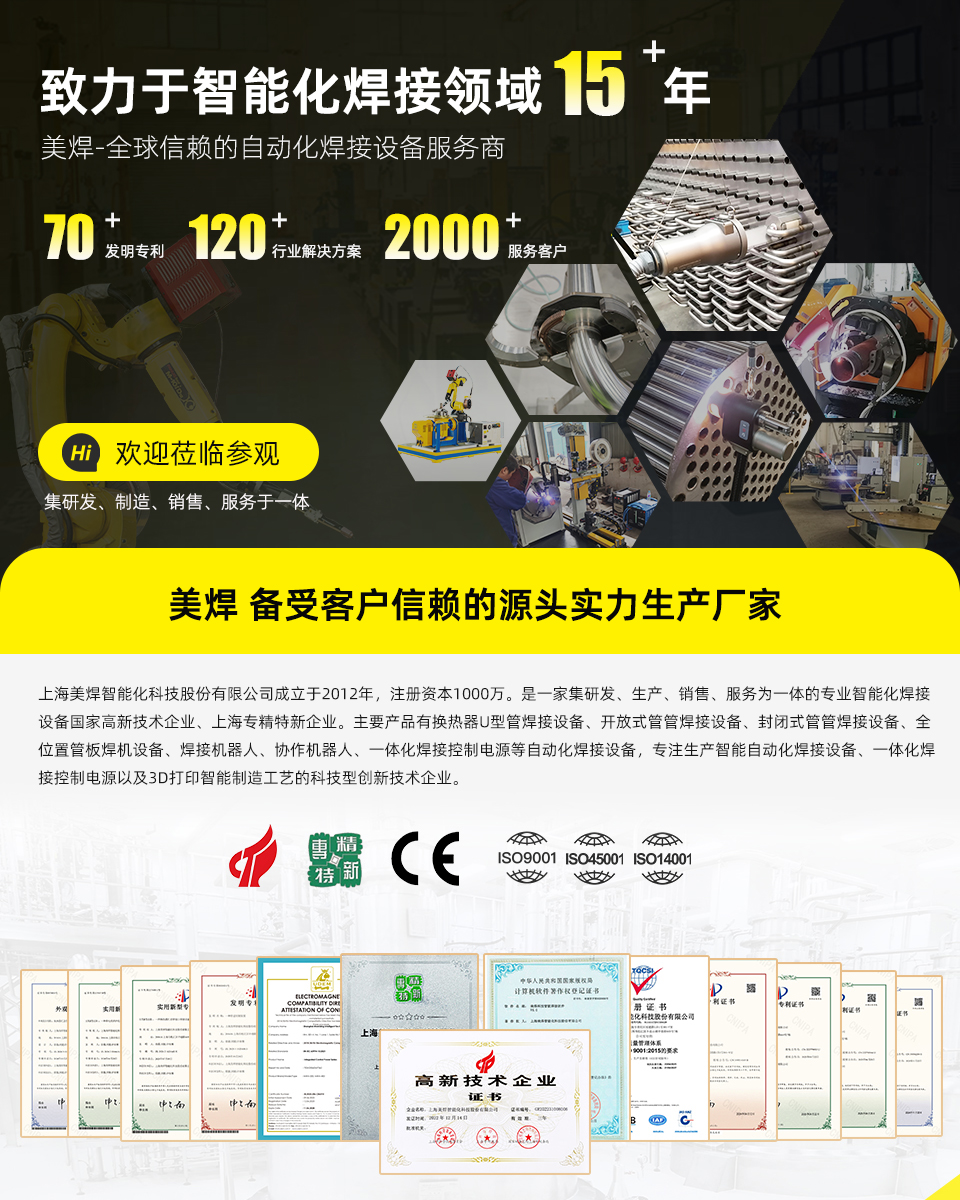
Welcome to contact Mwelding technical team for welding sample test, working condition evaluation and equipment parameter consultation!
Shanghai Mwelding Intelligent Technology Co., Ltd.
National High-tech Enterprise | Specialized, Refined, Distinctive & Innovative Enterprise
Specialized in R&D and manufacturing of tube-to-tube automatic welders, tube sheet welders and dedicated welding equipment for heat exchangers!